Professional Digital Marketing Services

-

Digital Marketing
Digital Marketing is a broad term that covers a wealth of online marketing efforts and a wide variety of online strategies. …
-

SEO Consultations
Let Rankwell Marketing help you to identify the roadmap for online success and discover all of your website’s problem areas. …
-

PPC Advertising
Pay Per Click (PPC) Advertising is a necessary evil. You need PPC experts to make sure you’re getting good ROI. …
-

UX
The journey and steps that someone experiences when they navigate through your website is referred to as User Experience. UX is …
Atlanta Digital Marketing
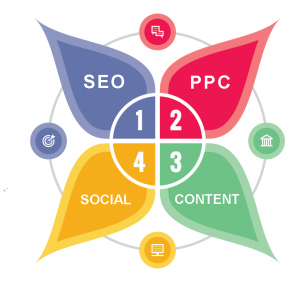 Digital marketing is a broad term that covers a wealth of online marketing efforts that includes SEO, Pay Per Click (PPC) advertising, content marketing, and social media activity including properties like Facebook, Youtube, and Twitter.
With deep connections to mass media conglomerates and nearly two decades of true marketing experience, there is a difference and that difference is measurable.
Tell us about the audiences you want to reach and we’ll tell you the quickest and most effective way to reach them.
63,000
Google Search Queries Every Second70
% of Marketers That Have No Content Strategy79
% of Traffic Attributed to Google82
% of Marketers Focusing on SEO as Priority #1SEO Consultations
Achieving amazing results on Google is a daunting task that requires a deep understanding of their expectations and you can drive yourself crazy checking off all of the boxes: link building, content writing, social networking, paid advertising, website structure, navigation, avoiding duplicate content, and so much more. It’s too much. Don’t you have a business to run?
True website optimization goes far beyond just following rules and having knee jerk reactions when your rankings fluctuate. A website that communicates your passion effectively and intelligently will always win the race. You need to put in your fastest runner.
Rankwell Marketing can help you rekindle that passion and teach you how to place all of your energy into a proper site structure that your competitors can’t match. If they’re beating you on the results page, we’ll find out why and uncover ways to replicate their successes.
Contact us for more information on how we can rekindle your business.
.
Why Choose Rankwell Marketing?
There are hundreds of businesses that claim to be digital marketers and all of them claim to have the right answers to remedy your online performance.
Rankwell Marketing is headed by an SEO expert with nearly two decades of SEO experience and over a decade of PPC experience. We’ve seen algorithms come and go and have an thorough understanding of the expectations of the search engines. We know the difference between the various strategies that exists and which ones can actually cause your website more harm than good.

Decades of Experience
Over 20 years of online experience and proven results in the digital marketing realm.


Scalability
From small independent businesses to large scale enterprises, we can scale to meet your needs.

Empowerment
We want you to know what we’re doing, which is why we explain our processes. It’s truly success through empowerment.